

Insights
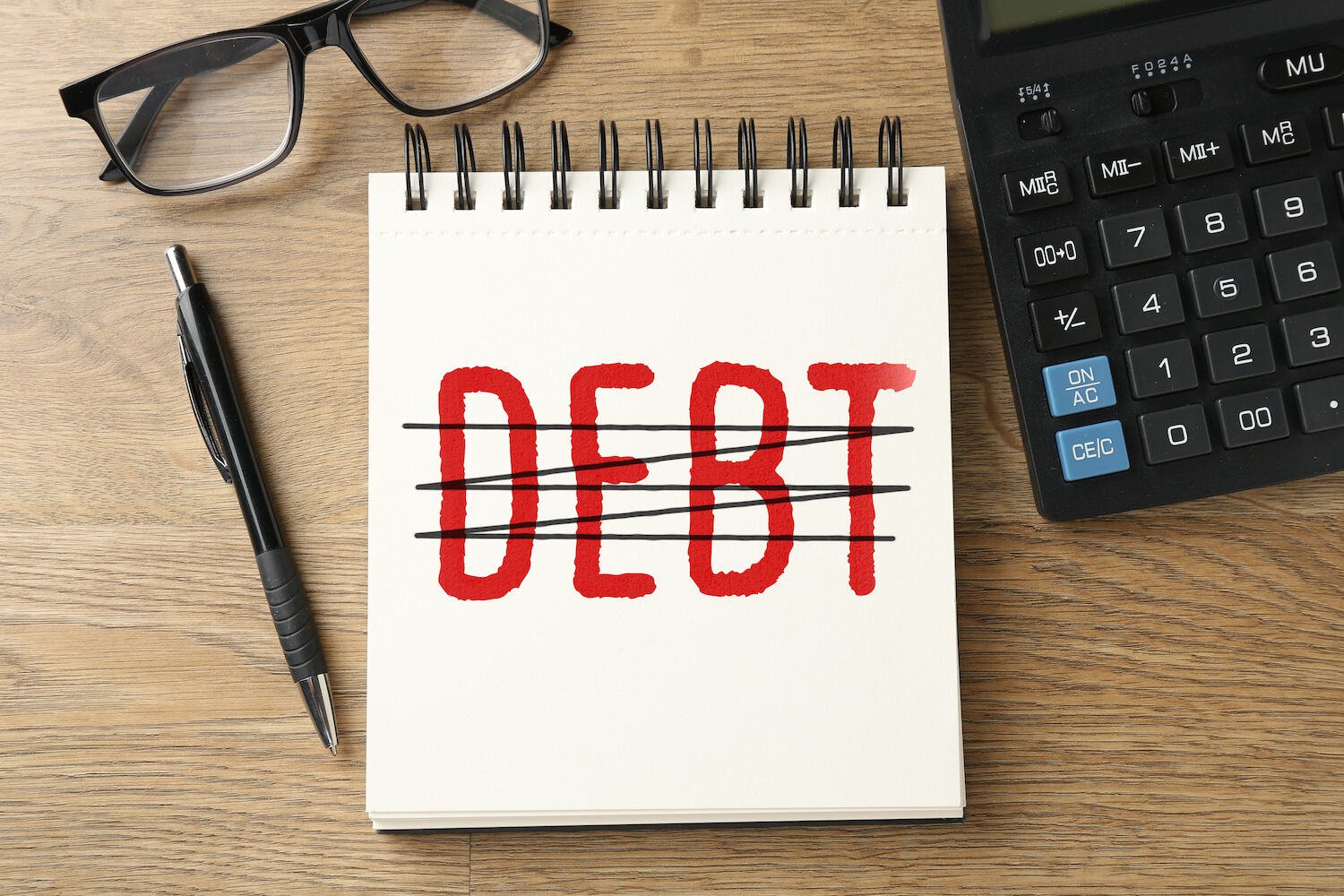
ATO Debt Forgiveness: Penalty and Interest Remission, Settlements and Litigation in 2026
ATO debt forgiveness is not as simple as having a tax debt written off. In practice, directors and business owners may need to consider remission of interest or penalties, settlement of a disputed liability, payment arrangements, objections, litigation or insolvency advice.
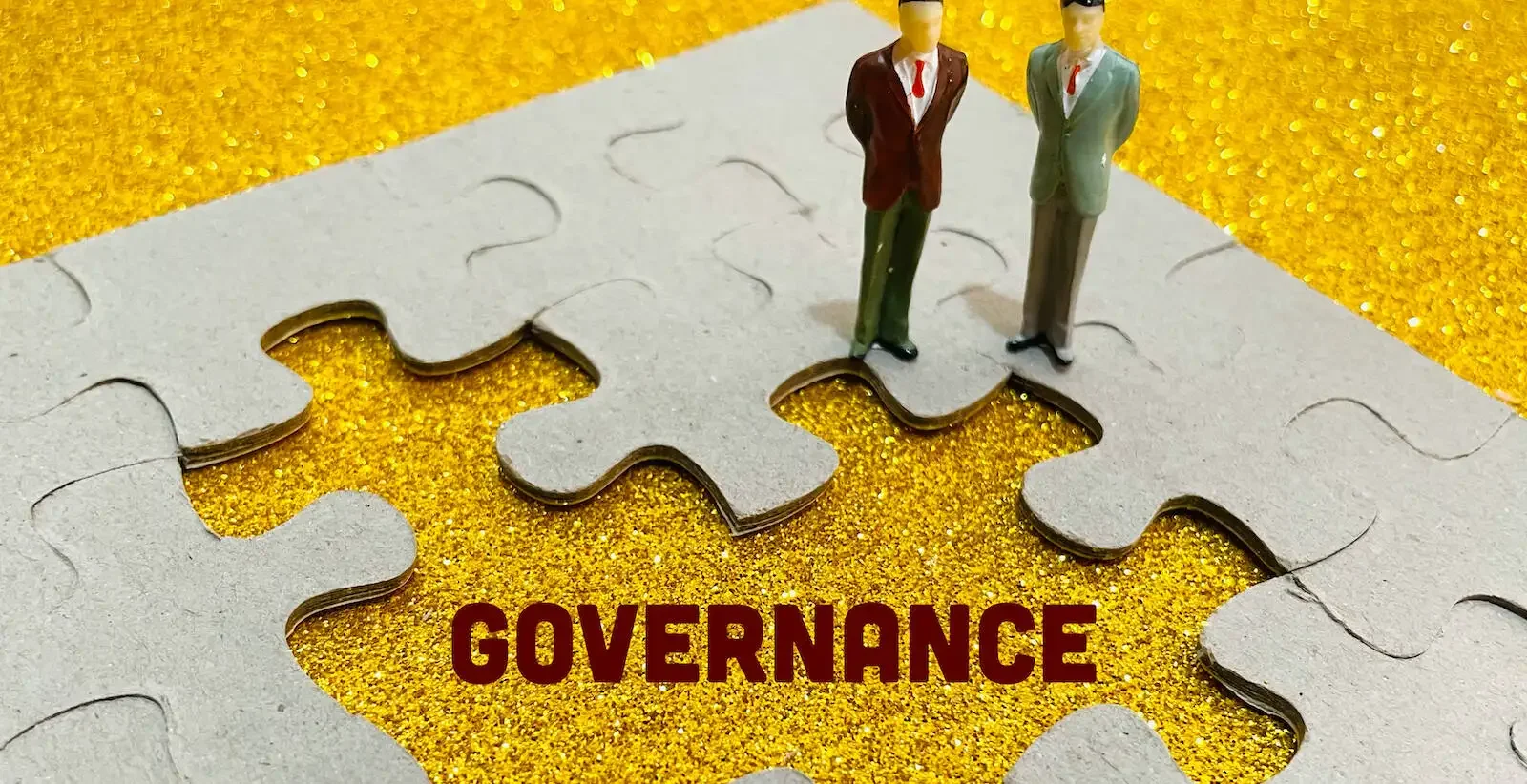
What Is Corporate Governance? Why Good Governance Matters for Companies and Directors in Australia
When a company is operating well, corporate governance is often invisible. Decisions are made properly, directors understand their obligations, records are kept, conflicts are managed, and the company has clear processes for accountability.

Shadow Director vs De Facto Director: Who Is Liable When a Company Becomes Insolvent?
When a company enters financial distress, scrutiny usually falls on the formally appointed directors. However, under Australian law, liability is not limited to those listed on an ASIC search.
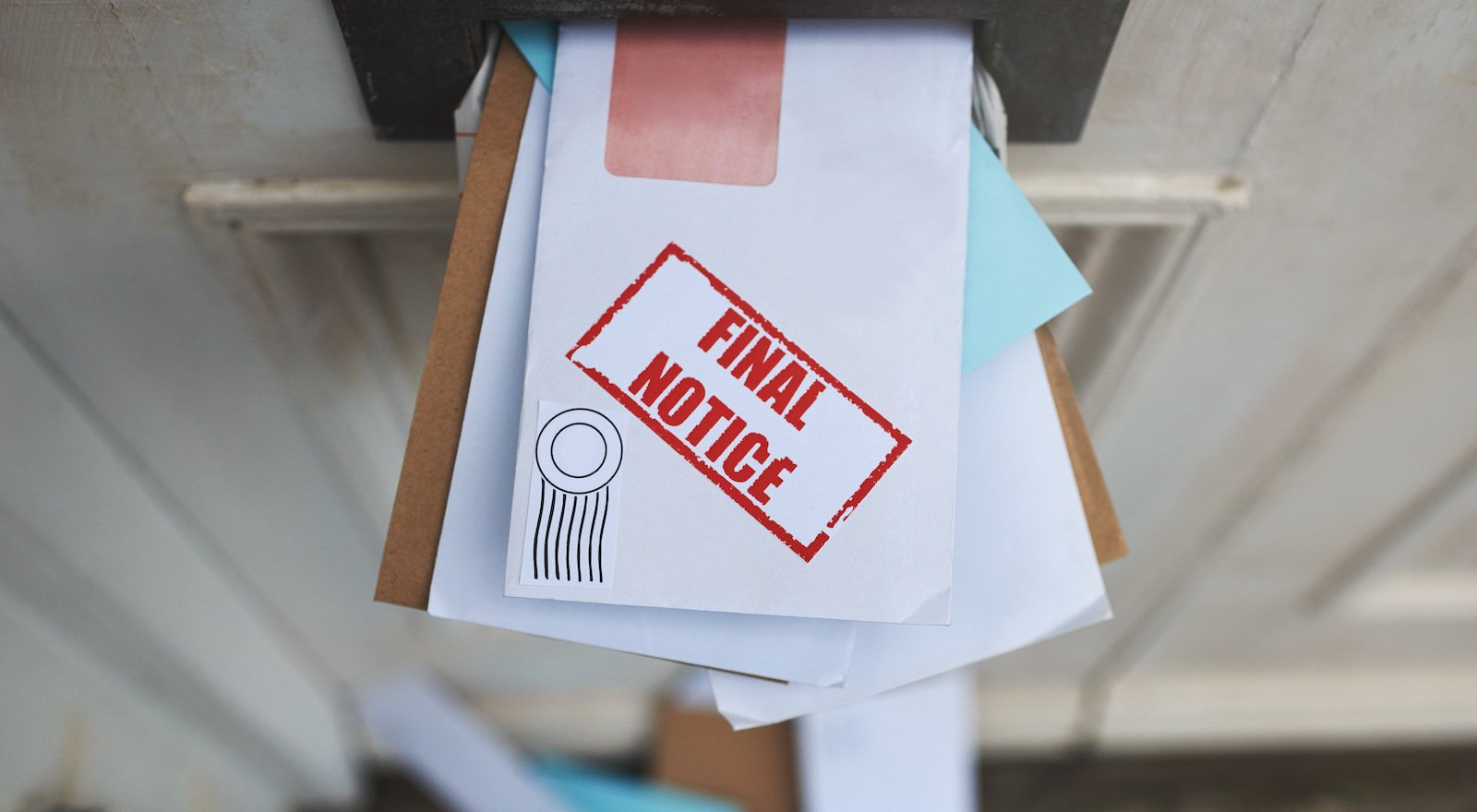
What to Do if You Receive a Letter of Demand From a Trustee or Liquidator
Receiving a letter of demand from a trustee or liquidator can be confronting. For directors, business owners, and even third parties, it often arrives without warning and raises immediate concerns about personal liability, legal exposure, and next steps.

What Are the Director’s Duties When Facing Insolvency?
When a company begins to experience serious financial distress, directors are legally and ethically obligated to act in the best interests of the company’s creditors. These obligations are not optional; they are core responsibilities under Australian law that escalate when insolvency is on the horizon.

7 Warning Signs of Insolvency in Your Business
Insolvency doesn’t always announce itself with a single dramatic event. Often, it builds slowly: missed payments here, delayed reporting there, until a company is suddenly unable to pay its debts when they fall due. For directors, knowing when financial trouble crosses the line into legal risk is critical.
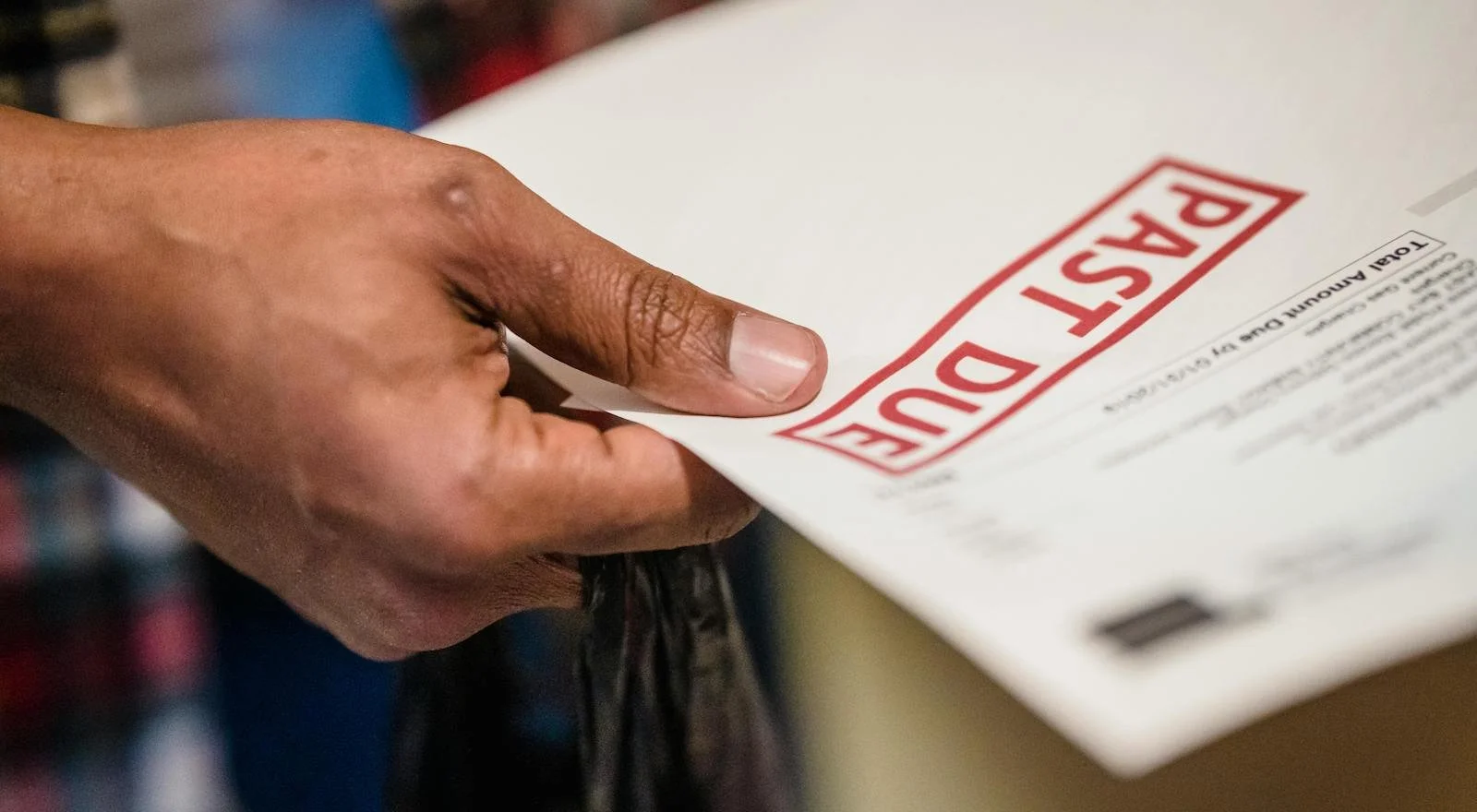
What To Do If You’re an Unsecured Creditor
If you’re owed money by a business that’s gone into liquidation, voluntary administration, or restructuring (and you don’t hold security over any of its assets), you’re considered an unsecured creditor. This is a common but often challenging position to be in.

Pathways to Managing Personal Insolvency? Understanding Debt Agreements, Personal Insolvency Agreements & Bankruptcy
When individuals face overwhelming debt, Australia’s personal insolvency framework offers several legal pathways to resolve financial distress.

What is Personal Insolvency?
Personal insolvency is a legal process designed to help individuals in Australia manage unmanageable debts when they can no longer meet their financial obligations.