How a Debt Recovery Lawyer Can Help Your Small Business in Australia
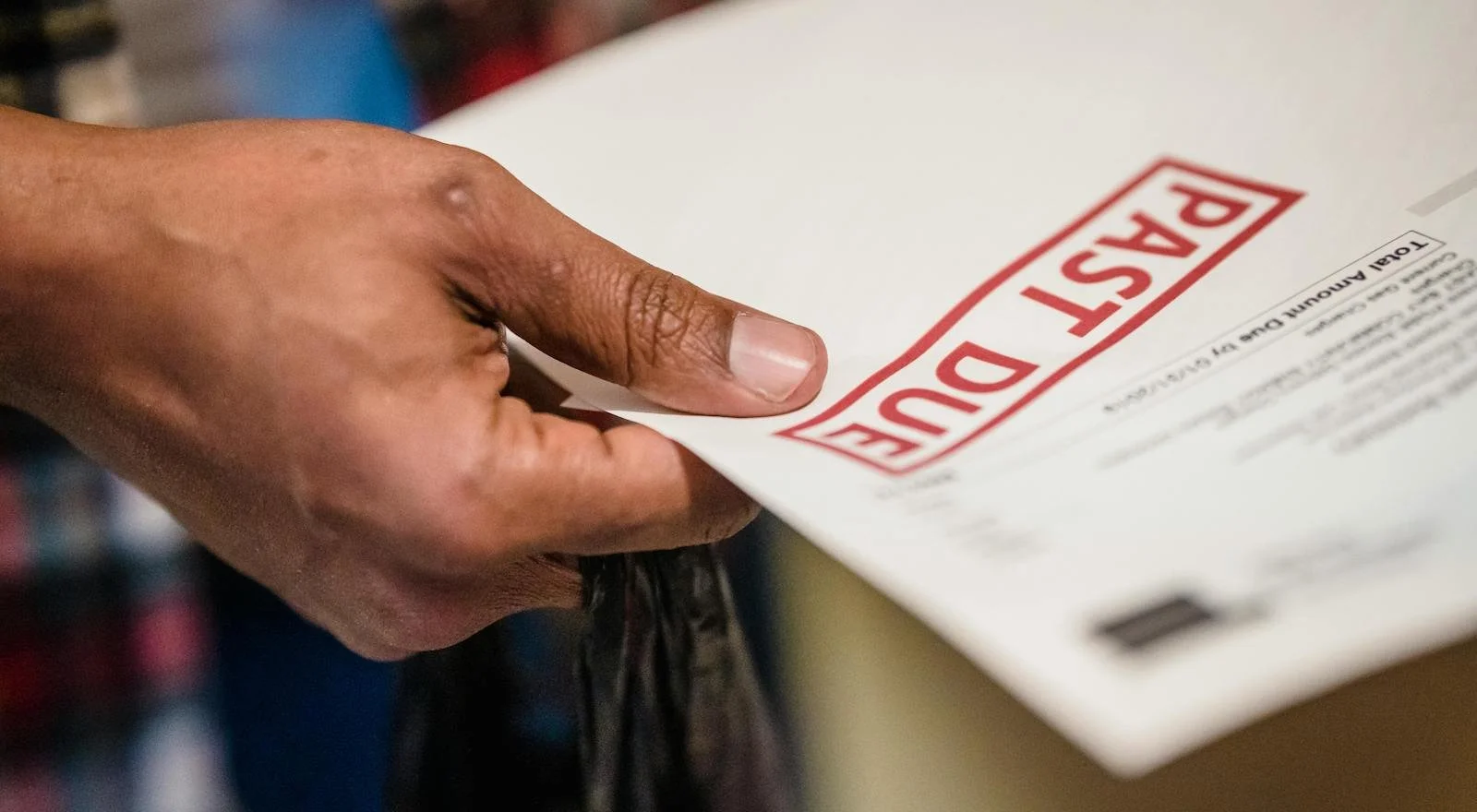
Unpaid debts can put serious financial strain on businesses, particularly small and medium enterprises.. When customers or clients fail to pay what they owe, it can disrupt cash flow, delay growth, and even threaten the viability of a business. In Australia, small (and large) businesses have various legal options to recover debts, ranging from informal negotiations to court proceedings. Engaging a debt recovery lawyer can help businesses navigate this process efficiently and ensure compliance with legal requirements.
In this guide, we’ll explain how debt recovery works, when you should engage a lawyer, and the legal options available for businesses in Queensland to recover outstanding debts.
What is Debt Recovery?
Debt recovery is the process of pursuing payments from individuals or businesses who have failed to meet their financial obligations. In many cases, outstanding debts can be resolved through direct communication, but legal action may be necessary when debtors refuse to pay.
In Australia, small businesses have several legal pathways for recovering unpaid debts, from sending letters of demand to initiating court proceedings. A debt recovery lawyer ensures businesses follow the correct legal procedures while maximising the chances of recovering funds.
How Does Debt Recovery Work for Small Businesses?
The debt recovery process generally involves the following steps:
Initial Contact & Payment Reminders: Before escalating the matter, businesses should contact the debtor via phone, email, or written reminders requesting payment. Many debts are resolved at this stage without legal intervention.
Letter of Demand: If informal requests are unsuccessful, the next step is sending a letter of demand. This is a formal document prepared by a debt recovery lawyer, outlining:
The amount owed;
The deadline for payment; and
Potential legal consequences if the debt is not settled.
Legal Action for Debt Recovery: If the debtor does not respond to the letter of demand, businesses may need to commence legal proceedings. Generally, the appropriate legal forum depends on the size of the debt:
Queensland Civil and Administrative Tribunal (QCAT): Handles debts up to $25,000;
Magistrates Court: Debts between $25,000 and $150,000;
District Court: Debts between $150,000 and $750,000; and
Supreme Court: Debts over $750,000.
Court Judgment & Enforcement: If the court rules in favour of the creditor, but the debtor still refuses to pay, enforcement action may be necessary, including:
Garnishee orders to deduct funds from the debtor’s wages or bank account;
Seizing assets to sell and recover the owed amount; or
Bankruptcy or liquidation proceedings if the debt remains unpaid.
When Should a Small Business Engage a Debt Recovery Lawyer?
A debt recovery lawyer can assist at any stage of the process, but legal intervention is particularly beneficial when:
The debtor is unresponsive or disputes the debt
The debt is substantial, and litigation is a possibility
A letter of demand has not resulted in payment
The business needs to enforce a court judgment
Seeking legal advice early can help businesses recover debts efficiently while ensuring compliance with Australian consumer and commercial laws.
Alternative Debt Recovery Methods
In some cases, businesses may wish to avoid litigation. Alternative debt recovery methods include:
Negotiation & Settlement: Where both parties agree to a structured repayment plan;
Mediation: Using an independent mediator to resolve disputes before going to court;
Statutory Demands: If a company owes more than $4,000, a statutory demand under the Corporations Act 2001 (Cth) can be issued. Failure to comply within 21 days may lead to winding up proceedings.
For struggling businesses, Small Business Restructuring may be another option to regain control of finances.
Why a Debt Recovery Lawyer is Essential for Small Businesses
Chasing unpaid invoices can be frustrating, time-consuming, and detrimental to your business’s cash flow. When informal reminders and payment requests go unanswered, small business owners often find themselves in a difficult position—balancing the need to recover debts while maintaining customer relationships and staying legally compliant. This is where a debt recovery lawyer becomes invaluable.
With expert legal support, businesses can navigate the debt recovery process with confidence, ensuring they use the right legal tools while minimising disruptions.
If your small business is struggling with unpaid debts, it’s also important to consider broader financial strategies. Sometimes, unresolved debts are a symptom of deeper financial instability, and Small Business Restructuring or Corporate Restructuring might be necessary to regain control of your finances.
How Gear & Co Lawyers Can Help
At Gear & Co Lawyers, we understand that debt recovery is crucial to maintaining your business’s cash flow and financial stability. Unpaid debts can put serious pressure on your operations, which is why acting quickly is essential. Our team specialises in commercial litigation and insolvency, providing fast, cost-effective debt recovery solutions tailored to your business’s needs.
We have extensive experience recovering debts for financial institutions, mercantile agencies, and businesses across industries such as construction, telecommunications, and manufacturing. We also act for liquidators, ensuring outstanding debts are pursued in insolvency matters. Our firm’s expertise allows us to move efficiently, whether issuing a letter of demand, negotiating settlements, or taking legal action.
If your business is struggling with unpaid debts, don’t wait until cash flow problems escalate. For expert debt recovery advice, contact Gear & Co Lawyers on (07) 3709 2547 or email info@gearandco.com to discuss your options.
While attempts have been made to ensure the currency of information contained in this publication, it is not guaranteed. This publication is intended to provide only general information on matters of interest. It is not intended to be comprehensive and does not constitute and must not be relied upon as legal advice. You should seek legal or other professional advice which is specific to your circumstances.
RELATED ARTICLES